
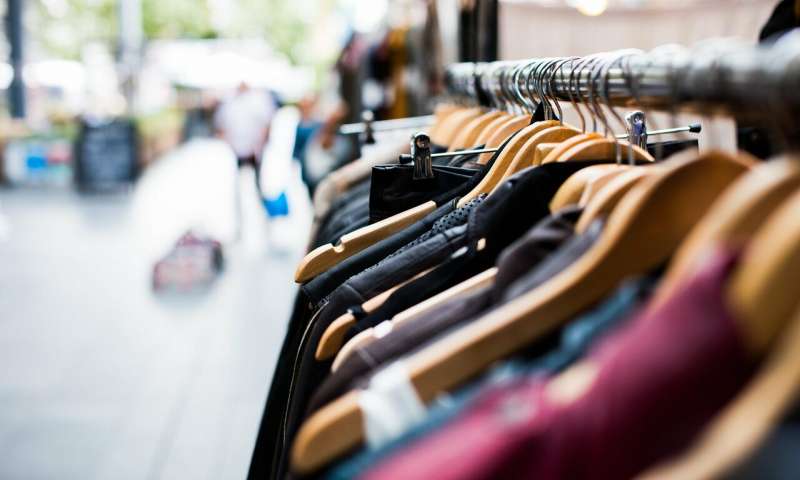
I understand that being a student means that you only really have money for accomodation and food, there is very little left over at the end to splash out on things like new clothes. This is why shops such as Primark, H&M or Zara seem like a great idea, and almost too good to be true. That’s because these stores ARE too good to be true!
‘inexpensive clothing produced rapidly by mass-market retailers in response to the latest trends’
Fast fashion is described by Google as ‘inexpensive clothing produced rapidly by mass-market retailers in response to the latest trends’. Businesses that produce fast fashion clothing do have a lot of advantages. They provide people who aren’t very well off with their basic clothing and it gives other people a chance to be fashionable and on trend without spending all of their hard earned money. You can’t blame people for enjoying a good bargain.
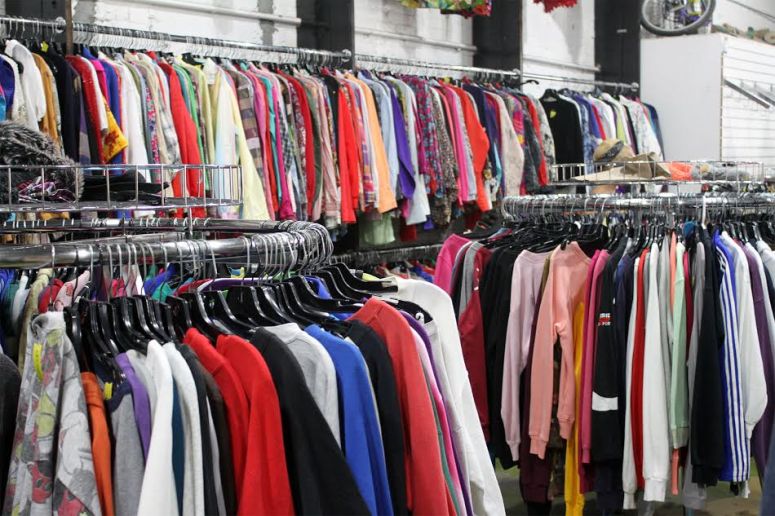
Unfortunately though fast fashion has become a big problem,as the clothing that is sold by fast fashion businesses is being produced so quickly and sold so cheap that consumers are constantly buying new clothes to keep up with current trends. This means there is a large amount of waste being produced. Furthermore a lot of these garments are being made with synthetic fabrics which means that they aren’t biodegradable and will still be piled up in landfill for years and years to come.
It’s really popular at the moment to be finding new and creative ways to help protect the ocean and ocean life from plastic rubbish and debris, and it’s amazing that people finally want to help to protect our planet but you don’t really hear anyone worrying about fashion waste! Here are some quick facts that I pulled from the internet to help show you the depth of our fashion waste dilemma, did you know that fashion waste, second to oil, is the largest polluter in the world and that consumers throw away an average of 70 pounds of shoes and clothing per person annually, furthermore consumers in the United Kingdom have an estimated £46.7 billion worth of unworn clothes in their closets.
‘Consumers in the United Kingdom have an estimated £46.7 billion worth of unworn clothes in their closets’
To make matters worse, a lot of the clothing that we are buying we don’t even want. Consumers aren’t creating the demand for fast fashion, fast fashion organisations are. Fast fashion brands such as Zara can produce a new collection for their stores in just short of a week and they’ll recreate items that they’ve seen celebrities wearing in order to keep the products relevant. Furthermore, when an item that they’re selling runs out, instead of replenishing that stock, they’ll replace it with a new product so that the old one seems outdated and our desires to be on trend force us into buying clothing that we don’t need or have the room for.
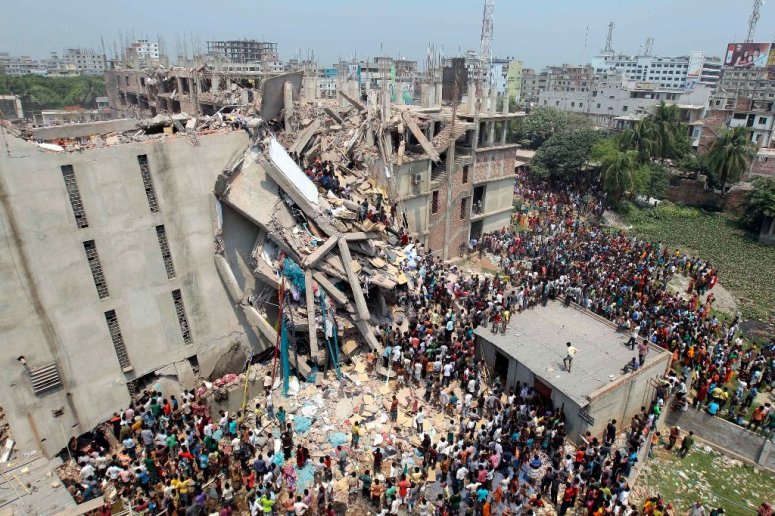
‘In 2013 the eight storey Rana Plaza building in Bangladesh collapsed, killing 1134 people in the process’
Fast fashion can be unethical in other ways too, because these businesses are selling their stock so cheap, a lot of it is produced in other countries where the staff are paid incredibly low wages and expected to work long unreasonable hours with little consideration for their health, safety or wellbeing. In 2013 the eight storey Rana Plaza building in Bangladesh collapsed, killing 1134 people in the process. The top floors of this building contained clothing factories, when the stores on ground floor spotted cracks in ceiling, they closed their stores immediately, however the clothing factories were told the continue working like normal the following day. These clothing factories produced garments for 28 international brands, including fast fashion brand Primark.
If you’re still unsure what fast fashion is, and why changes need to be made, here is a link from on of my favourite youtubers, Kristen Leo, explaining fast fashion in 5 minutes: https://www.youtube.com/watch?v=fR7bXsoNwwE
If you’ve enjoyed learning about fast fashion, continue through my blog to read my post explaining green washing.
 Charlotte Mae